About the Company
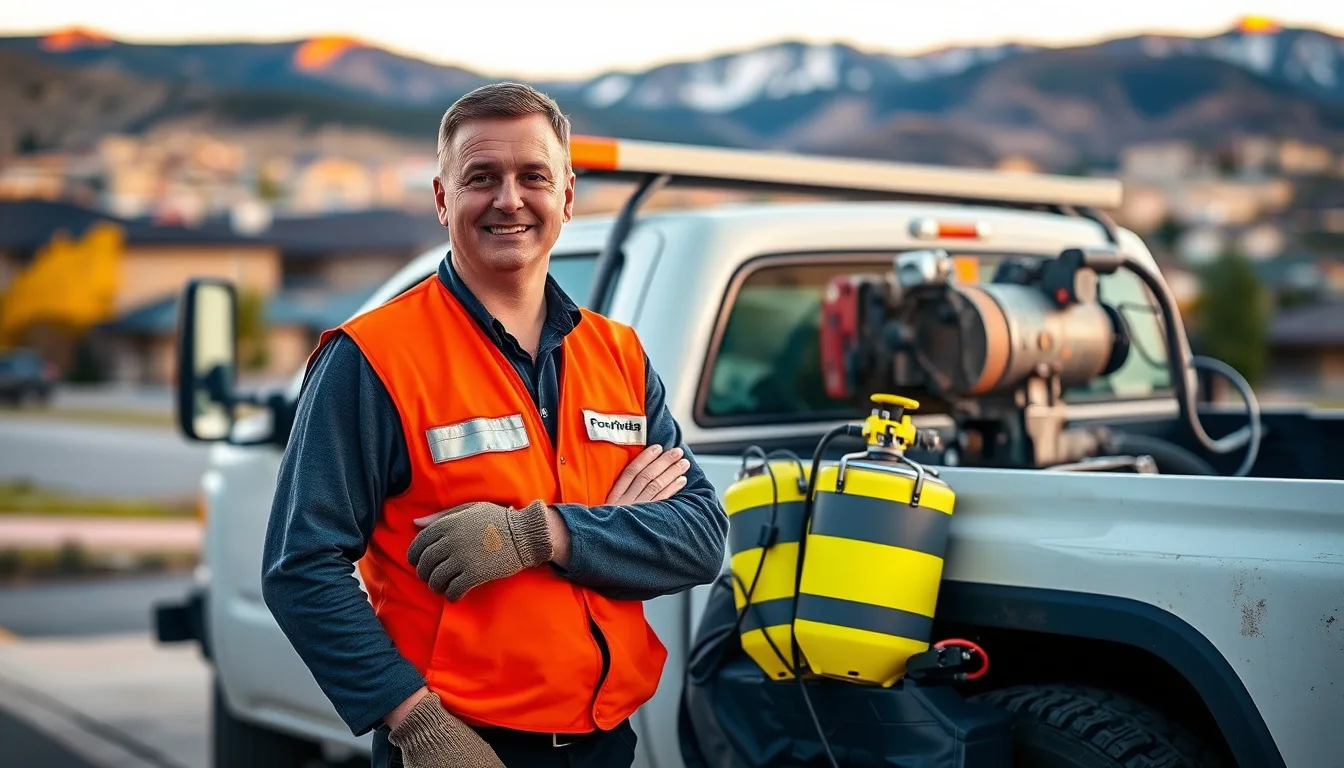
Built for Denver-metro ground, not adapted to it
National franchises bring the same playbook to every city. We built ours from the Denver metro up: freeze-thaw cycling, de-icing salt chemistry, and the expansive clay that keeps moving under a driveway long after the house next to it has settled onto its piers.
Why We Exist
Denver-metro concrete failure is three problems wearing one crack
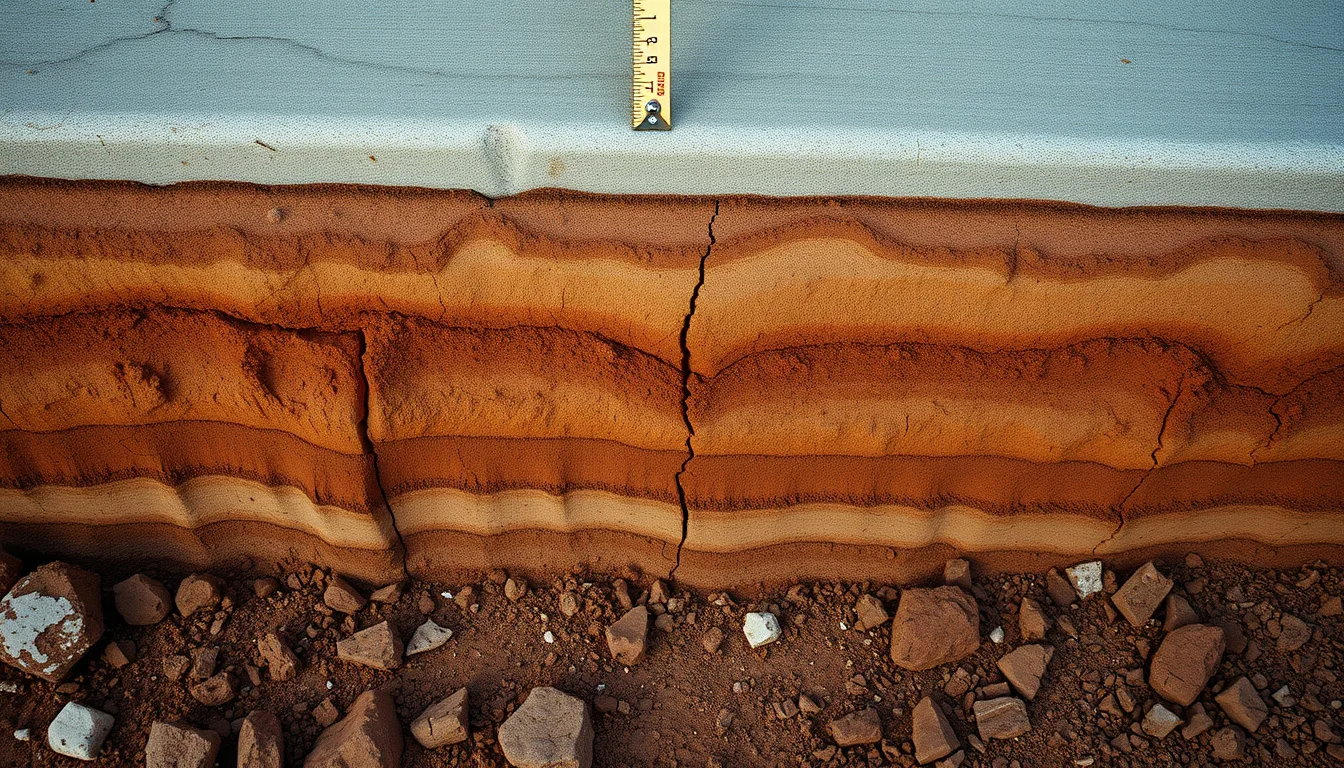
Most concrete-repair content online is written for a city with one climate problem, if that. Denver metro has three, all working at once: roughly 149 freeze-thaw cycles a year, magnesium chloride de-icers that accelerate scaling and corrode rebar, and Pierre Shale/bentonite clay that swells and shrinks with the seasons under nearly every driveway, patio, and walk from Denver to Aurora to Lakewood.
Dense metro subdivisions make it worse. More concrete flatwork gets packed onto the same active clay belt per lot here than in lower-density areas, so the cracking and heave complaints we see cluster street by street, sometimes house by house on the same block. That's why every estimate we run starts with diagnosis, not a tape measure. Is this crack from clay movement or ice expansion? Is that scaling cosmetic, or has it already reached the rebar? Is the slab going to keep moving after we fix it because the ground underneath is still active? Only then do we talk about method and price.
The method follows the diagnosis: epoxy injection for static structural cracks, flexible polyurethane sealant for cracks still moving with the soil, bonded overlays for salt-scaled surfaces, and lightweight polyurethane foam lifting where a heavier mudjacking slurry would reload ground that's already unstable. We also track Denver's own regulatory shifts — Ordinance 307 moved public sidewalk work to the city in 2022, and knowing exactly which slab is whose responsibility is part of doing this job right here.
The honest-scoping rule
We don't inject a rigid epoxy fill into a crack that's still moving with active clay heave, we don't resurface a slab whose base has already failed structurally, and we don't level rubble. When a project needs a geotechnical engineer or a re-pour instead of us, we say so at the free inspection — the referrals that honesty earns are worth more than any single job.
How We Work
Three commitments on every job
Diagnosed, not guessed
We identify whether freeze-thaw, de-icing salt, expansive clay, or a combination is driving the damage before we recommend a repair method — not after.
Fix the water, not just the slab
Every repair addresses drainage — the shared trigger behind both freeze-thaw cycling and clay-soil heave. That's what makes repairs hold through the next Denver winter.
Fixed price before we drill
Free inspections, fixed quotes, no discover-more-once-we-start games. If scope changes underground, we stop and talk first.
By the Numbers
The engineering facts we work from
149/yr
average freeze-thaw cycles across metro Denver — the mechanism behind most cracking and scaling
2–6 in
documented seasonal clay-soil movement under Denver-metro flatwork
1/4"
the ADA vertical-change threshold every walkway repair is corrected to
100%
of jobs logged: diagnosis, repair method, and before/after documentation
Why Diagnosis-First
The right fix depends on which mechanism is doing the damage
Here is the whole argument in one sentence: a crack caused by ice expansion and a crack caused by swelling clay look almost identical on the surface, but they need different repairs. Fill an actively moving, soil-driven crack with rigid epoxy and it re-cracks next to the repair within a season. Treat freeze-thaw scaling like a soil problem and you miss the rebar corrosion underneath until it's a structural spall.
On expansive clay, weight matters too. Traditional mudjacking pumps a cement-and-sand slurry weighing over a hundred pounds per cubic foot back onto ground that's already prone to swelling and shifting. Polyurethane foam weighs roughly two pounds per cubic foot — a fraction of the slurry's weight — and lifts the slab by expansion, not mass, without reloading soil that's already unstable.
None of this is proprietary. It's standard concrete science applied honestly to Denver metro's specific climate and geology, plus the local-law literacy to know that Ordinance 307 changed who owns public sidewalk repair but didn't touch private walks, aprons, or patios — and the judgment to tell you when a slab needs a geotechnical evaluation instead of a repair quote.
A Denver-metro flagship
Denver Concrete Repair is built to serve the whole metro — Denver, Aurora, Lakewood, Arvada, Westminster, Thornton, Centennial, Highlands Ranch, Littleton, Englewood, and Wheat Ridge. One standard of diagnosis and repair, everywhere metro-Denver ground moves.
Trade standards
Concrete repair contractors in Denver fall under municipal licensing requirements — always verify a contractor's license before they drill.
Metro dispatch
Denver, Aurora, and Lakewood daily; Arvada, Westminster, Thornton, Centennial, Highlands Ranch, Littleton, Englewood, and Wheat Ridge on regular routes.
Cracked, sinking, or salt-damaged concrete? Get a fixed price before we drill.
Free inspections across the Denver metro. We diagnose freeze-thaw, de-icing salt, and expansive bentonite-clay causes before recommending a repair.