Resurfacing & Overlay — Denver Metro
Concrete Resurfacing & Overlay in Denver Metro — Restore Winter-Damaged Concrete Without a Full Tear-Out
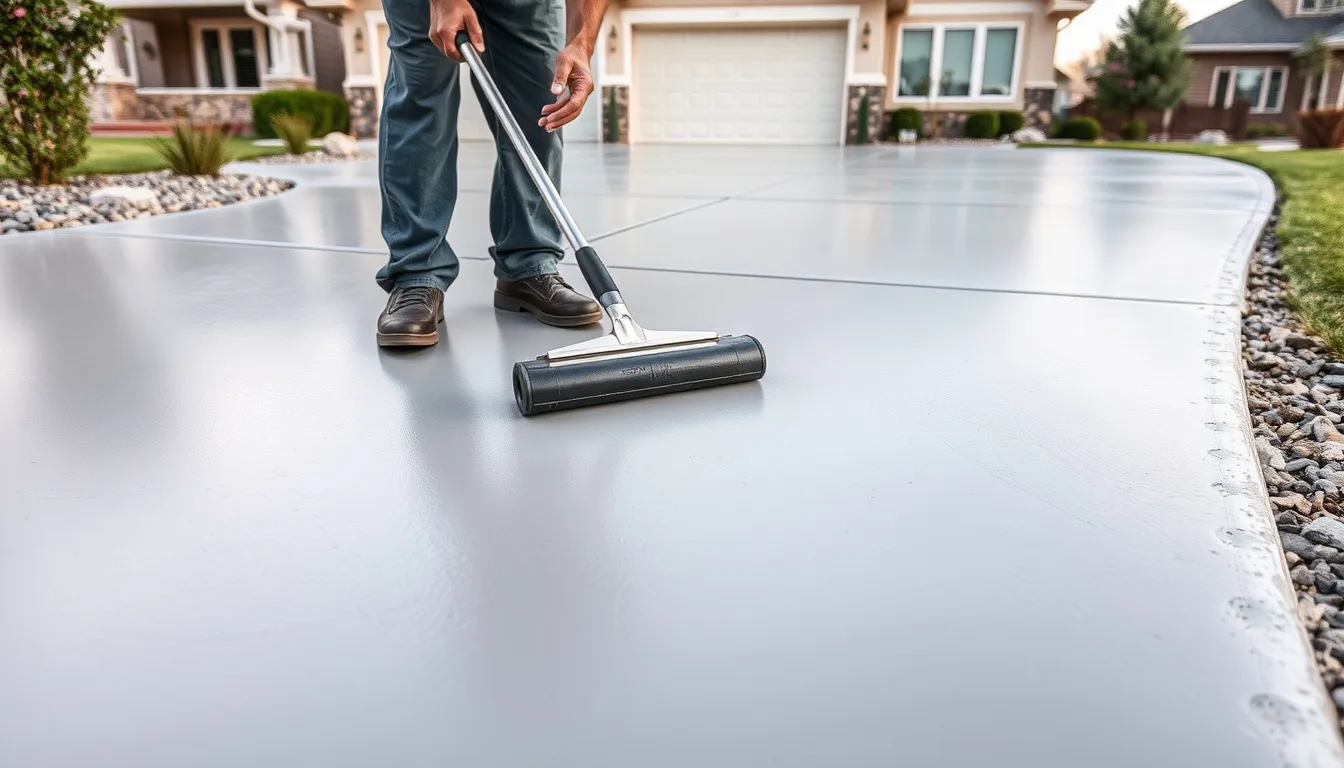
A bonded overlay restores a uniform, sealed surface over concrete that years of Denver freeze-thaw and de-icing salt have worn down — often at a fraction of full replacement cost.
When Resurfacing Beats Both Patch Repair and Full Replacement
Resurfacing sits in the middle ground between a small patch job and tearing a slab out entirely, and picking the right option comes down to how deep the damage actually goes. If a Denver driveway or patio has scattered surface scaling, cosmetic hairline cracking, or a worn, dated finish, but the concrete underneath is still structurally sound, resurfacing restores it in a fraction of the time and cost of a full tear-out and repour.
The line where resurfacing stops making sense is structural: if a slab has heaved several inches, has active structural cracks still moving with the clay, or has spalling that's eaten deep into its thickness, an overlay would just be a fresh face on a broken foundation. In those cases we address the underlying crack or heave issue first — or recommend replacement outright — rather than overlay a problem that will telegraph right back through the new surface.
How Overlay Prep Works
A durable overlay is entirely dependent on prep, which is why we don't shortcut it. The existing slab gets thoroughly cleaned to remove oil, dirt, and loose scaled material, then mechanically profiled — typically ground or shot-blasted — to open the surface pores so the new material actually bonds instead of sitting on top like paint.
Any active cracks or voids get addressed before the overlay goes down, not after. On a Denver-metro slab, that usually means injecting or sealing cracks driven by clay heave or freeze-thaw first, because an overlay poured directly over an unaddressed active crack will simply crack again in the same spot within a season or two. Once the surface is clean, profiled, and structurally sound, a bonding agent is applied to lock the new material to the old.
Standard vs. Decorative and Stamped Overlay Options
A standard overlay is a straightforward broom-finished or smooth-troweled resurfacing layer, matched to the surrounding concrete's color and texture — the right choice when the goal is simply restoring a worn or scaled surface without changing its look.
A decorative or stamped overlay goes further, texturing and coloring the new surface to mimic stone, brick, slate, or other patterns. It's become a popular upgrade path in Denver-metro HOA subdivisions where homeowners are replacing a worn, plain driveway or patio and want to add curb appeal at the same time as fixing the damage, rather than paying for two separate projects down the line.
- Standard overlay: $3–$5 per sq ft
- Overlay with extensive surface prep: up to ~$9 per sq ft
- Decorative or stamped overlay: $7–$20 per sq ft
Sealing for What Next Winter Brings
An overlay is only as durable as the sealer protecting it. Because Denver-metro concrete faces roughly 149 freeze-thaw cycles a year plus routine de-icing salt exposure, a fresh overlay left unsealed is exposed to exactly the same scaling and rebar-corrosion mechanism that damaged the original surface in the first place.
A quality penetrating or film-forming sealer applied after the overlay cures reduces how much water and chloride solution the new surface absorbs, which meaningfully slows both freeze-thaw scaling and the salt-driven corrosion path that eventually causes spalling. This is a step we build into every overlay job rather than offering as an upsell — an unsealed overlay in this climate is a short-term fix wearing a long-term price tag.
Who Resurfacing Is Right For
Resurfacing tends to be the best fit for driveways and patios in established Denver-metro neighborhoods with concrete that's aged 10 to 25 years, showing surface wear or scaling but no significant structural movement. It's also a common choice for homeowners preparing a house for sale, where a fresh, even surface meaningfully improves curb appeal without the disruption and cost of full replacement.
It's not the right fit for a slab still actively moving with expansive clay, or one with spalling deep enough to have exposed corroded rebar across a wide area — those need the underlying structural issue resolved first, which we'll always identify plainly during the inspection rather than overlay damage that's going to reappear.
What Resurfacing Costs by Finish Level
Pricing depends primarily on how much prep the existing surface needs and which finish you choose. A standard overlay on a slab needing only light cleaning and profiling runs toward the lower end of the range, while a slab with more scaling or surface irregularity to grind out costs more in prep time before the overlay material ever goes down. Decorative and stamped finishes cost more per square foot due to the additional labor in texturing, coloring, and sealing multiple coats.
We quote resurfacing after an on-site inspection so the price reflects the actual condition of your slab, not a generic per-square-foot number that assumes ideal starting conditions.
Durability Expectations and Resealing Schedule
A properly installed, sealed overlay typically holds up for 10 or more years before it needs another full resurfacing, but the sealer itself wears faster than the overlay underneath it. On a Denver-metro property facing regular freeze-thaw cycling and winter de-icing salt, we recommend resealing every 2 to 3 years to keep that protective layer intact — it's a small, inexpensive maintenance step compared to redoing the overlay early because the seal failed and let salt and moisture back into the surface.
Get a Resurfacing Estimate for Your Denver-Metro Property
Send us photos of your driveway or patio and your city, or book a free on-site inspection. We'll tell you honestly whether resurfacing is the right fit or whether an underlying crack or heave issue needs addressing first, then give you a fixed price by finish level.
Get in touch through our contact form. We serve Denver, Aurora, Lakewood, Arvada, Westminster, Thornton, Centennial, Highlands Ranch, Littleton, Englewood, and Wheat Ridge.
Resurfacing & Overlay FAQs
Straight answers before we drill
A standard overlay typically runs $3–$5 per square foot, extensive surface prep can push that toward $9 per square foot, and decorative or stamped overlays run $7–$20 per square foot depending on pattern and coloring complexity.
It can, if an active crack underneath isn't addressed first. We inject or seal any actively moving cracks before applying the overlay, since resurfacing over an unaddressed clay-driven crack just lets the same movement telegraph through the new surface within a season or two.
Resurfacing bonds a new material layer to your existing, structurally sound slab, restoring its appearance and protecting it going forward at a fraction of the cost and time of demolition and repour. Replacement is only necessary when the underlying concrete itself is too damaged, cracked, or heaved to resurface over.
Yes — a decorative or stamped overlay can be applied directly over sound existing concrete, which is a common upgrade for Denver-metro homeowners wanting a stone or brick look without pouring new concrete from scratch.
We recommend resealing every 2 to 3 years. The overlay itself typically lasts 10-plus years, but the protective sealer wears faster under Denver's freeze-thaw cycling and de-icing salt exposure, and keeping it fresh is what protects the overlay underneath.
Cracked, sinking, or salt-damaged concrete? Get a fixed price before we drill.
Free inspections across the Denver metro. We diagnose freeze-thaw, de-icing salt, and expansive bentonite-clay causes before recommending a repair.