Denver Ordinance 307: What It Actually Means for Your Sidewalk Repair in 2026
If you own property in Denver, there's a decent chance you've heard the phrase "Denver Deserves Sidewalks" without knowing exactly what it changed. In November 2022, Denver voters passed Ordinance 307, a ballot initiative that rewrote who is responsible for building and maintaining the city's public sidewalks. It's one of the more consequential property-related rule changes in the city in years, and a lot of homeowners still don't know whether it applies to the walk in front of their own house — or the one running past their side yard, or the private path up to their own front door.
This guide breaks down what actually changed, what the new funding mechanism costs, and — just as important — what Ordinance 307 did not change, because a fair number of concrete repair calls we get start with a homeowner assuming the city now owns a repair that's actually still theirs.
The Old Rule vs. the New Rule
Before Ordinance 307, Denver ran on the model most cities still use today: the property owner was responsible for the public sidewalk section abutting their property, full stop. That meant if the panel out front cracked, heaved, or developed a trip hazard, it was the homeowner's job to fix it — and historically, the city's enforcement trigger for a required repair was a documented crack or unevenness exceeding roughly 3/4 inch. Get a violation notice, and the repair bill was yours regardless of what caused the damage or whether a city-owned street tree's roots were the actual culprit.
Ordinance 307 changed that model at the root. Instead of leaving sidewalk construction and repair scattered across tens of thousands of individual property owners — with wildly inconsistent results block to block — the city now takes on public sidewalk construction and maintenance directly, funded through a dedicated fee rather than case-by-case repair bills. The stated goal was a connected, consistently maintained sidewalk network instead of a patchwork of DIY-repaired and long-neglected panels depending on which owner happened to live where.
How the Sidewalk Enterprise Fee Works
The new system is funded through what the city calls the Sidewalk Enterprise, billed alongside your existing stormwater fee rather than as a separate bill to track. Based on a 2024 committee funding proposal, the fee runs roughly $148.64 per year for a single-family home and approximately $27.83 per unit, per year, for multifamily properties — figures worth treating as approximate rather than gospel, since program funding levels can be adjusted as the buildout continues. Properties located in designated Neighborhood Equity & Stability areas have qualified for a 20% discount on the fee, part of the program's effort to avoid placing a disproportionate burden on historically under-invested parts of the city.
In exchange for the fee, the city — not the individual homeowner — now handles the construction and repair of public sidewalk sections on a planned, citywide basis rather than waiting for a violation notice or a homeowner's own repair budget to trigger the work.
What's Still Your Responsibility as a Homeowner
This is the part that trips people up, so it's worth stating plainly: Ordinance 307 covers public sidewalks — the walk that runs along the street, in the public right-of-way. It does not cover everything made of concrete on your property. Specifically, these remain the homeowner's responsibility, exactly as they were before the ordinance:
- Private walks — the path connecting your public sidewalk (or your driveway) to your own front door
- Driveway aprons — the section of concrete crossing from the street or public sidewalk into your driveway
- Patios — any concrete patio, walkway, or hardscape entirely within your own property lines
If a crack, trip hazard, or settlement problem shows up on any of those, Ordinance 307 doesn't change who pays for the fix. It only shifted responsibility for the strip of concrete the public actually walks on along the street.
How This Differs From Other Front Range Cities
Ordinance 307 is a Denver-specific ordinance, not a regional standard. Other Front Range cities generally still run some version of the older model, where the city may maintain certain sidewalk infrastructure but property owners retain liability exposure for injuries tied to a defective walk on their frontage, or where the pre-2022 Denver-style owner-responsible rule simply never changed. If you own property in more than one Front Range city — say, a rental in Denver and a second home elsewhere along the corridor — don't assume the rule that applies to one automatically applies to the other. Confirm the local rule for each property separately rather than assuming the same arrangement applies everywhere.
The ADA Trip-Hazard Angle: Why Documentation Still Matters
Even on a sidewalk section now maintained by the city, the underlying safety standard hasn't changed: the federal ADA guideline treats a 1/4 inch vertical height difference between adjoining sidewalk panels as a trip hazard requiring correction. That threshold matters for property managers and HOAs in particular, because a documented trip hazard on a walk adjacent to a commercial property, rental, or HOA common area can carry legal exposure for the owner or association even when the underlying concrete itself is city-maintained — the safety and documentation obligation and the concrete-repair obligation aren't automatically the same thing. If you manage a property with public frontage, it's still worth photographing and dating any trip hazard you notice and reporting it, rather than assuming "the city owns it now" means the safety issue is someone else's problem to track.
What to Do If You Have a Private-Walk or Driveway-Apron Problem
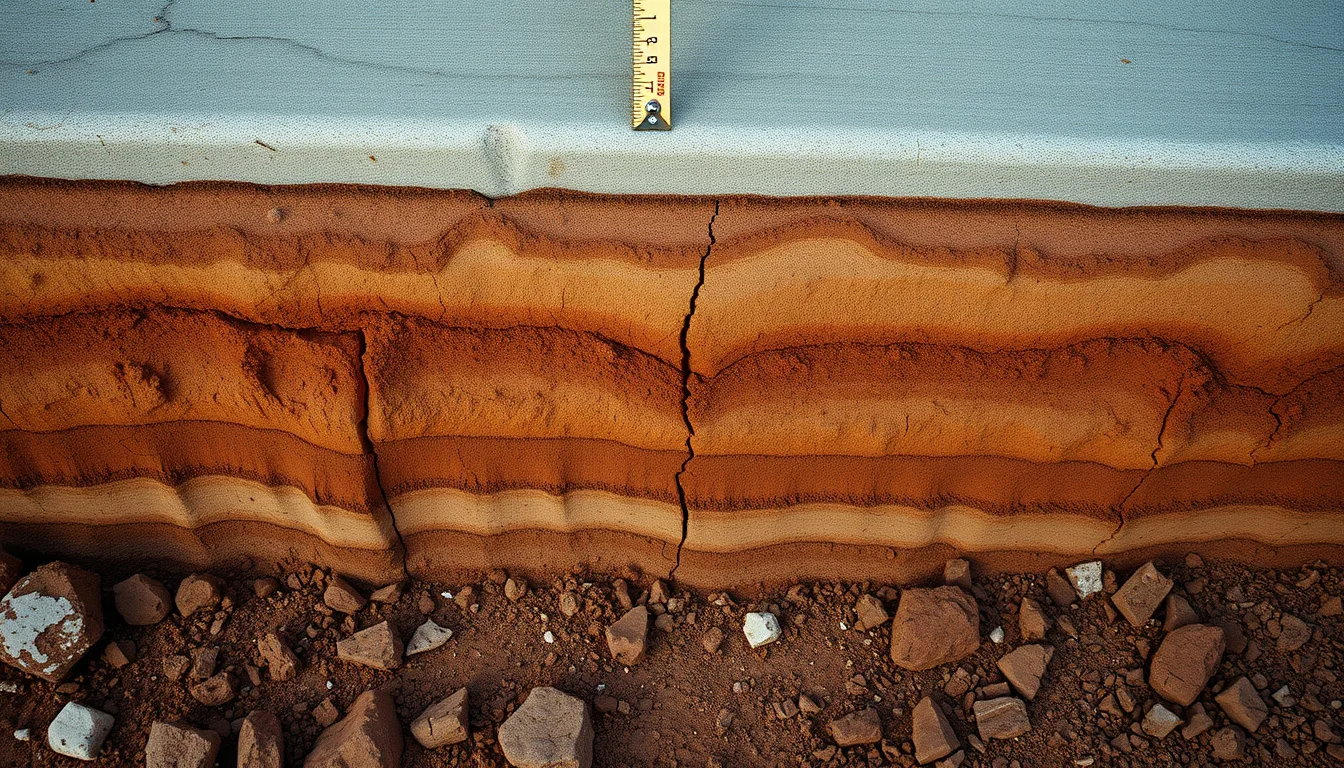
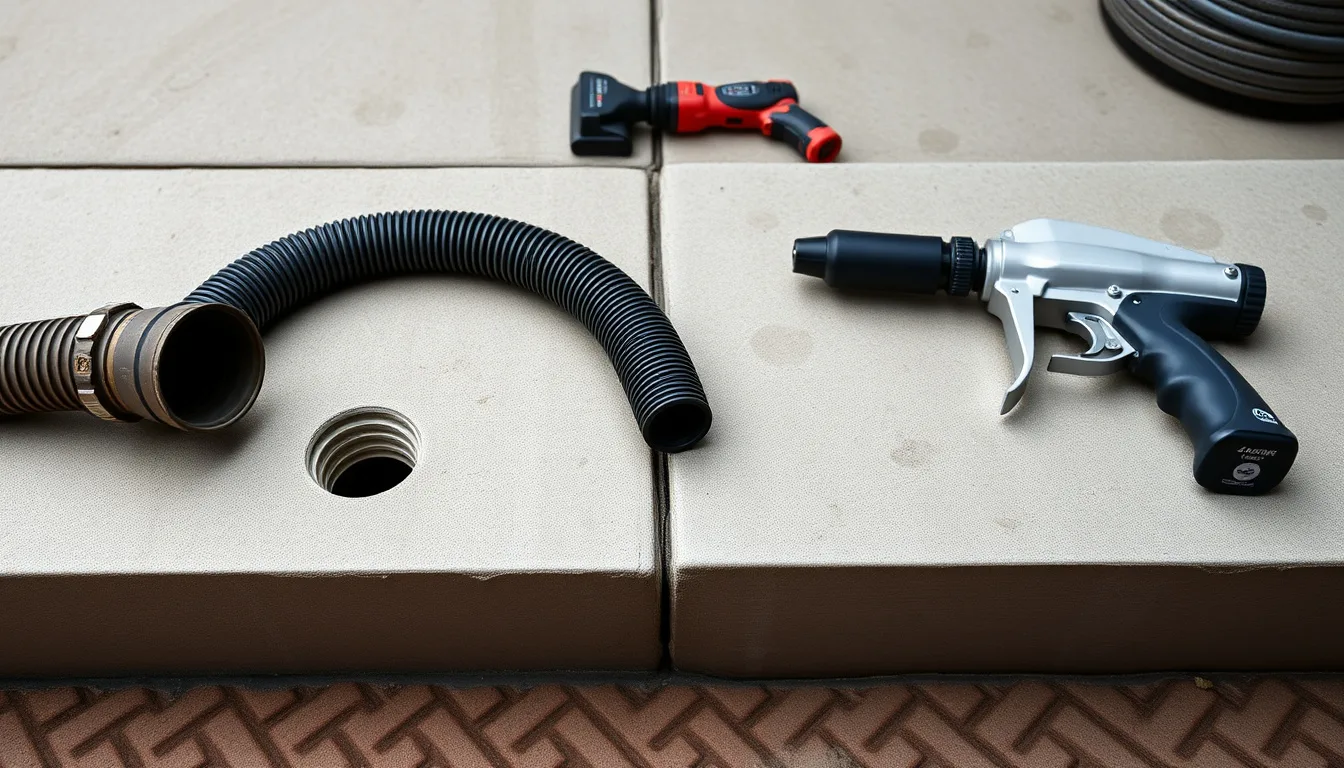
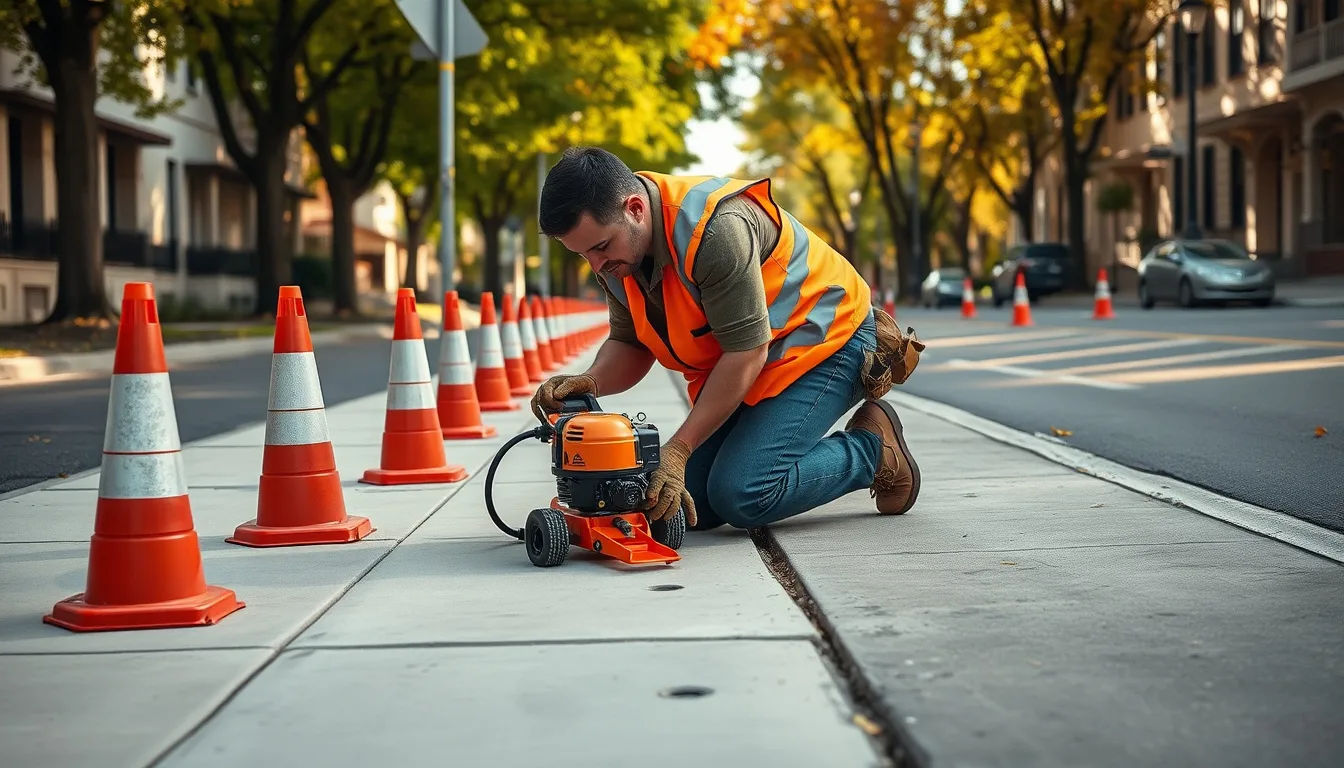
If the concrete issue you're looking at is a private walk to your door, a driveway apron, or a patio, Ordinance 307 doesn't change your options — you're still the one who decides when and how it gets fixed, and it's still worth getting it looked at before a hairline crack or a small trip-lip turns into a bigger repair. A quick on-site inspection can tell you whether you're looking at a simple caulk seal, a chiseled filler repair, or something that needs epoxy injection or a partial lift — and whether an expansive-clay or drainage issue underneath is going to cause the same spot to fail again if it isn't addressed alongside the concrete itself.
Frequently Asked Questions
Does Ordinance 307 mean the city fixes all sidewalks in Denver now?
It means the city is now responsible for public sidewalk sections in the right-of-way, funded through the Sidewalk Enterprise fee billed with stormwater. It does not cover private walks to your door, driveway aprons, or patios — those remain the homeowner's responsibility.
How much is the Sidewalk Enterprise fee?
Based on a 2024 committee proposal, roughly $148.64 per year for a single-family home and about $27.83 per unit per year for multifamily properties, with a 20% discount available in designated Neighborhood Equity & Stability areas. Treat these figures as approximate, since program funding can be adjusted over time.
My driveway apron is cracked — is that covered by Ordinance 307?
No. Driveway aprons remain the homeowner's responsibility even after Ordinance 307, along with private walks and patios. Only the public sidewalk section in the right-of-way shifted to the city.
Do I still need to worry about trip-hazard liability on a city-maintained sidewalk?
The federal ADA guideline still treats a 1/4 inch height difference between panels as a trip hazard, and property managers and HOAs can still carry documentation and safety obligations tied to frontage even when the concrete itself is now city-maintained. When in doubt, photograph, date, and report it rather than assuming it's automatically someone else's issue.
I have a cracked private walk or driveway apron — what should I do next?
Get in touch through our contact form for a free on-site inspection. We'll identify the cause — freeze-thaw, de-icing salt exposure, or expansive clay movement — and give you a fixed price for the repair, whether that's crack injection, resurfacing, or lifting.
Ready for a real number?
Free inspections across the Denver metro — measured on site, fixed price before any drilling starts.